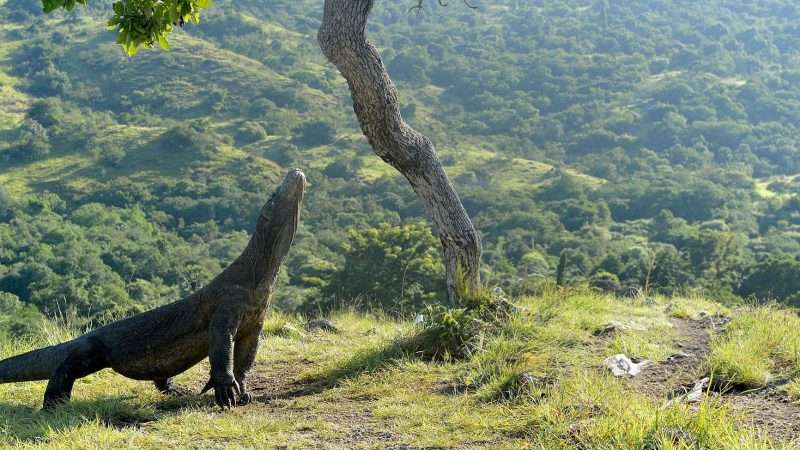
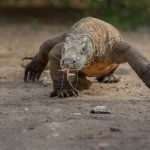
Komodo dragons. These magnificent, prehistoric creatures, the largest living lizards on Earth, are a major draw for adventurous travelers and wildlife enthusiasts, and increasingly, for filmmakers and photographers. Capturing these elusive animals on camera, whether for a documentary, a travel vlog, or simply personal memories, requires careful planning and an understanding of the technical aspects of filming, including frame rates. This comprehensive guide will delve into the world of frame rates and how they apply to filming Komodo dragons in their natural habitat.
Understanding Frame Rates: The Basics
Frame rate, measured in frames per second (fps), refers to the number of individual images or frames that are captured and displayed per second in a video. It's a crucial factor influencing the look and feel of your footage. Different frame rates create different effects:
- Lower Frame Rates (e.g., 24fps, 25fps, 30fps): These are commonly used for standard video and film. They provide a more "cinematic" look, often associated with traditional movies. 24fps is the cinematic standard.
- Higher Frame Rates (e.g., 60fps, 120fps, 240fps): These are used for slow-motion footage. By capturing more frames per second, you can slow down the playback and reveal details that would be missed at normal speed. This is particularly useful for wildlife filming, allowing you to showcase the agility and movements of animals like Komodo dragons.
Why Frame Rate Matters for Filming Komodo Dragons
When filming Komodo dragons, frame rate choice is important for several reasons:
- Capturing Movement: Komodo dragons can move surprisingly quickly, especially when hunting or defending themselves. A higher frame rate allows you to capture these rapid movements smoothly and without blur. This is particularly helpful for showing the dragon's speed and power.
- Slow-Motion Analysis: High frame rates enable you to create stunning slow-motion footage, which can be invaluable for analyzing the dragons' behavior, such as their gait, feeding habits, and interactions with other animals. This can also reveal details otherwise missed by the human eye.
- Creating a Cinematic Look: While high frame rates are great for slow motion, you might want to use lower frame rates (24fps or 30fps) for other parts of your video to create a more cinematic or documentary-style feel. Mixing frame rates can add visual interest.
- Lighting Conditions: Consider the lighting conditions. Lower frame rates can require more light for proper exposure. Higher frame rates sometimes require less light, which can be beneficial in challenging situations.
- File Size: Higher frame rates result in larger file sizes. Be sure your recording equipment and storage have the capacity to handle the increased data.
Recommended Frame Rates for Filming Komodo Dragons
- Base Frame Rate (30fps or 25fps): For general filming of Komodo dragons, 30fps (for NTSC regions) or 25fps (for PAL regions) is a good starting point. This will provide smooth footage for most situations.
- High Frame Rate (60fps, 120fps, or higher): For capturing fast movements and creating slow-motion footage, use a higher frame rate. 60fps is a good option for showing some slow motion. 120fps or even 240fps will give you more dramatic slow-motion capabilities, allowing you to emphasize the speed and power of the dragons.
- Variable Frame Rates: Many cameras offer variable frame rates, allowing you to switch between different frame rates during a single recording. This is a very useful feature for wildlife filming, enabling you to capture both standard footage and slow-motion sequences without interrupting recording.
Equipment Considerations
- Camera Capabilities: Ensure your camera can record at the desired frame rates. Not all cameras offer high frame rate recording. Check the specifications carefully.
- Memory Cards: High frame rate recording requires fast and high-capacity memory cards. Make sure your cards can handle the data throughput.
- Storage: Higher frame rate footage takes up more storage space. Have sufficient storage capacity on your computer or external drives.
Tips for Filming Komodo Dragons
- Patience is Key: Wildlife filming requires patience. Be prepared to wait for the right moment.
- Respectful Distance: Maintain a respectful distance from the dragons. Do not approach them too closely or try to disturb them. Listen to your guide's instructions.
- Use a Telephoto Lens: A telephoto lens will allow you to capture close-up shots of the dragons without getting too close.
- Tripod or Stabilizer: Use a tripod or image stabilizer to keep your camera steady, especially when using a telephoto lens. This will help you get sharp and clear footage.
- Lighting: Consider the lighting conditions. Komodo dragons are often most active during the cooler parts of the day, when the light is softer.
- Ethical Considerations: Always prioritize the well-being of the animals. Do not do anything that could stress or harm them. Follow ethical wildlife filming guidelines.
The Magic of Slow Motion
Slow-motion footage can add a dramatic and captivating element to your Komodo dragon videos. It allows you to showcase the power, agility, and unique characteristics of these incredible creatures in a way that standard frame rates cannot capture.
Planning Your Komodo Filming Adventure
- Research and Book a Tour: Choose a reputable tour operator that specializes in wildlife tours and understands the needs of photographers and filmmakers.
- Prepare Your Equipment: Make sure your camera, lenses, memory cards, and other equipment are in good working order and suitable for the conditions you'll encounter.
- Learn About Komodo Dragons: The more you know about the dragons' behavior and habitat, the better prepared you'll be to film them effectively.
Capturing the Komodo Experience
Filming Komodo dragons is a unique and challenging but incredibly rewarding experience. By understanding frame rates and other technical aspects of filmmaking, and by following ethical guidelines, you can capture stunning footage that will allow you to share the magic of these magnificent creatures with the world.