Komodo dragons. These magnificent, prehistoric creatures, the largest living lizards on Earth, are a major draw for adventurous travelers and wildlife enthusiasts. A trip to Komodo National Park, the only place in the world where you can reliably see these legendary animals in their natural habitat, is a bucket-list experience. This comprehensive guide will delve into the full "Komodo Experience," covering everything from encountering dragons to exploring the park's diverse landscapes and marine life.
What is the Komodo Experience?
The "Komodo Experience" is more than just seeing dragons. It's an immersive adventure that encompasses:
- Encountering Komodo Dragons: Witnessing these apex predators in their natural environment is the heart of the experience. Seeing them up close, observing their behavior, and learning about their unique adaptations is truly awe-inspiring.
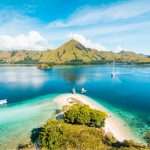
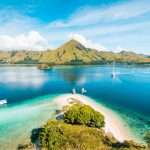
- Exploring Komodo National Park: The park is an archipelago of stunning islands, each offering diverse landscapes, from rugged hills and lush forests to pristine beaches and vibrant coral reefs.
- Discovering Diverse Wildlife: Beyond the dragons, Komodo National Park is home to a rich array of wildlife, both on land and in the surrounding waters.
- Immersing in Nature: The Komodo experience is about connecting with nature in a raw and powerful way, whether you're trekking through the islands or snorkeling in the turquoise waters.
- Learning and Conservation: Understanding the ecology of Komodo National Park, the challenges facing its wildlife, and the importance of conservation efforts adds depth to the experience.
Encountering Komodo Dragons: What to Expect
- Guided Treks: All Komodo dragon encounters occur during guided treks led by licensed park rangers. These rangers are essential for your safety and are experts in locating the dragons.
- Respect and Distance: While you'll get to see the dragons up close, it's crucial to maintain a respectful distance and follow the ranger's instructions. These are wild animals, and their safety (and yours) is paramount.
- Observing Behavior: Komodo dragons are most active during the cooler parts of the day. You might see them hunting, scavenging, or simply resting in the shade. Observing their behavior in their natural habitat is a privilege.
- Photography Opportunities: Bring your camera! You'll have plenty of opportunities to capture amazing photos of the dragons and the surrounding landscapes.
Exploring Komodo National Park: Beyond the Dragons
- Island Hopping: Most Komodo tours involve visiting multiple islands within the park. Each island offers a different perspective and experience.
- Rinca Island: Often called "Little Komodo," Rinca is known for its higher density of dragons, making it a popular choice for tours.
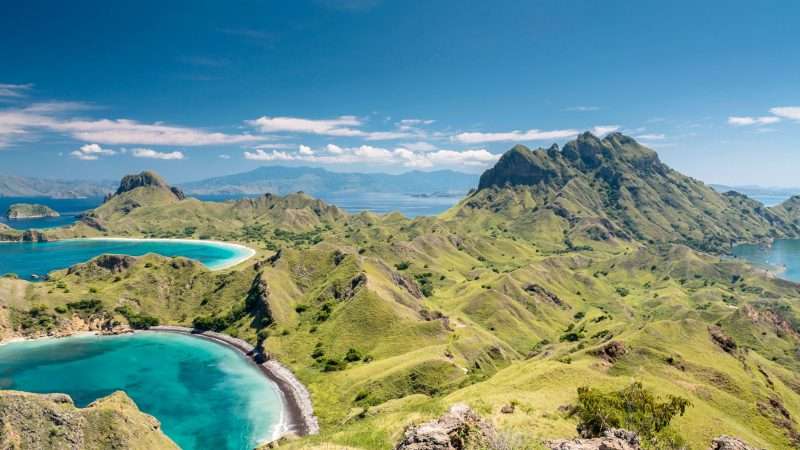
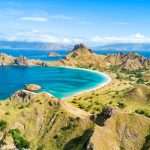
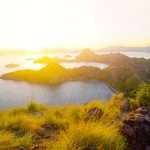
- Padar Island: Famous for its iconic viewpoint, Padar offers breathtaking panoramic views of the park's three bays and surrounding islands.
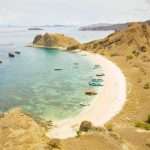
- Other Islands: Other islands offer opportunities for snorkeling, diving, hiking, and exploring secluded beaches.
- Snorkeling and Diving: The waters surrounding Komodo are teeming with marine life, including colorful coral reefs, manta rays, sharks, and sea turtles. Snorkeling and diving are essential parts of the Komodo experience for many visitors.
- Hiking and Trekking: Various trails crisscross the islands, offering opportunities to explore the diverse landscapes and spot wildlife.
Discovering Diverse Wildlife
- Terrestrial Animals: Beyond the dragons, keep an eye out for deer, wild buffalo, various bird species (including the sulphur-crested cockatoo), monkeys, and various reptiles.
- Marine Life: The underwater world of Komodo is just as captivating as the land. Snorkeling and diving reveal a kaleidoscope of fish, coral, and other marine creatures.
Immersing in Nature
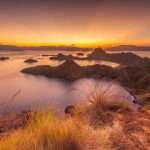
- Dramatic Landscapes: Komodo National Park's volcanic islands, rugged hills, and pristine beaches create a stunning natural backdrop for your adventure.
- Hot and Humid Climate: Be prepared for hot and humid conditions, especially during the day. Pack light, breathable clothing, sunscreen, a hat, and plenty of water.
Learning and Conservation
- Ecosystem Awareness: Learning about the unique ecosystem of Komodo National Park, including the interconnectedness of its flora and fauna, enhances the experience.
- Conservation Efforts: Understanding the challenges facing Komodo dragons and the park's biodiversity, and the importance of conservation initiatives, adds a deeper meaning to your visit.
Planning Your Komodo Experience
- Choosing a Tour: Research and compare different tour operators offering Komodo experiences. Consider your interests, budget, and time constraints. Read reviews from past travelers.
- Booking in Advance: Komodo tours are popular, so it's advisable to book well in advance, especially during peak season (June-August and December-January).
- What to Pack: Pack light, comfortable clothing suitable for a tropical climate and hiking, sturdy hiking shoes, sunscreen, a hat, insect repellent, a reusable water bottle, a camera (consider an underwater camera), and any personal medications you may need. Neutral-colored clothing is recommended for better wildlife viewing.
- Travel Insurance: Comprehensive travel insurance is essential, especially for travel to remote areas and for activities like trekking and boat trips.
Tips for an Unforgettable Komodo Experience
- Respect the Environment: Komodo National Park is a protected area. Do not litter, disturb the animals, or remove anything from the park.
- Listen to Your Ranger: The park rangers are there for your safety and to protect the dragons. Follow their instructions carefully.
- Stay Hydrated: It's crucial to stay hydrated in the hot and humid climate. Bring plenty of water with you.
- Be Prepared for Crowds: Komodo Island is a popular destination, so expect to encounter other visitors, especially during peak season.
The Komodo Experience: A Summary
The Komodo experience is a unique and unforgettable adventure. It's a chance to witness one of the world's most fascinating creatures in a truly remarkable setting, explore stunning landscapes, discover diverse wildlife, and connect with nature on a deeper level.